
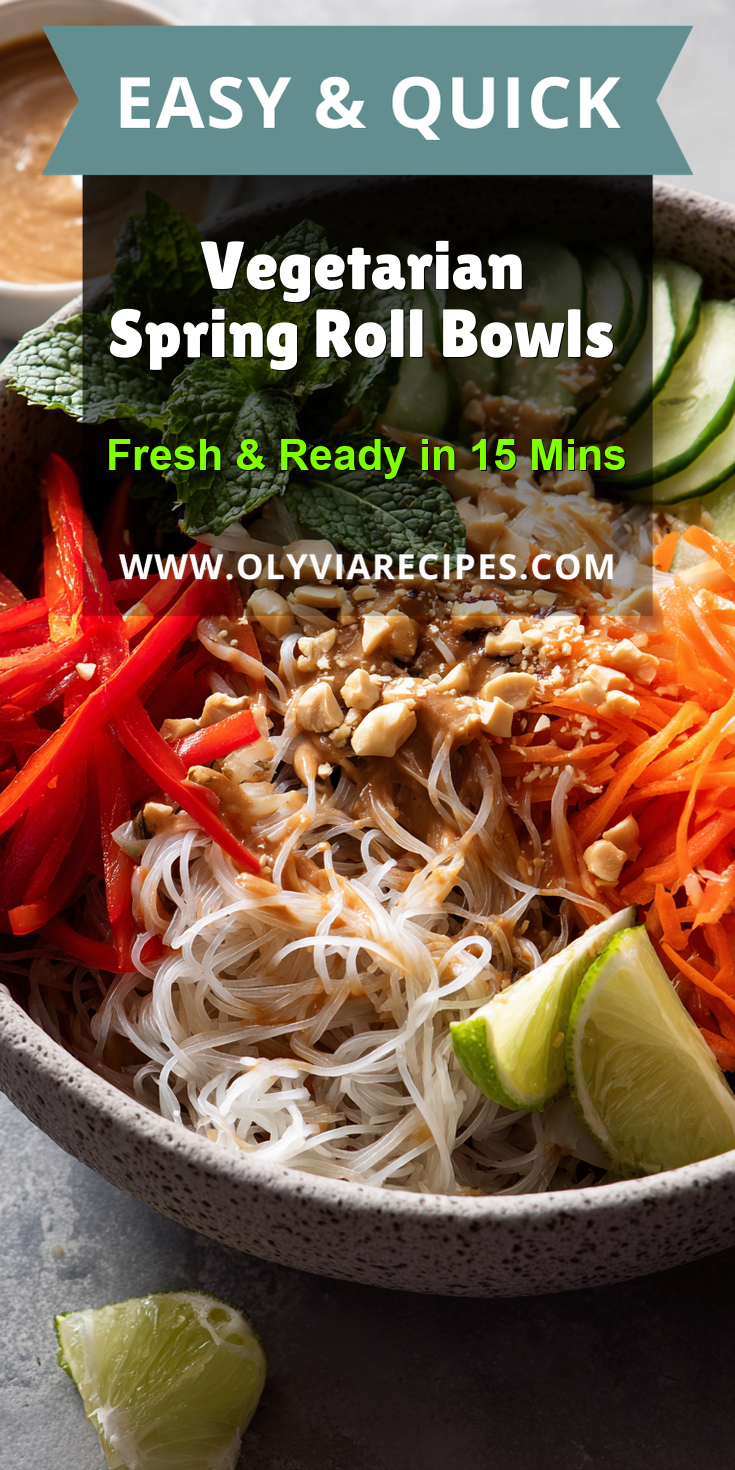
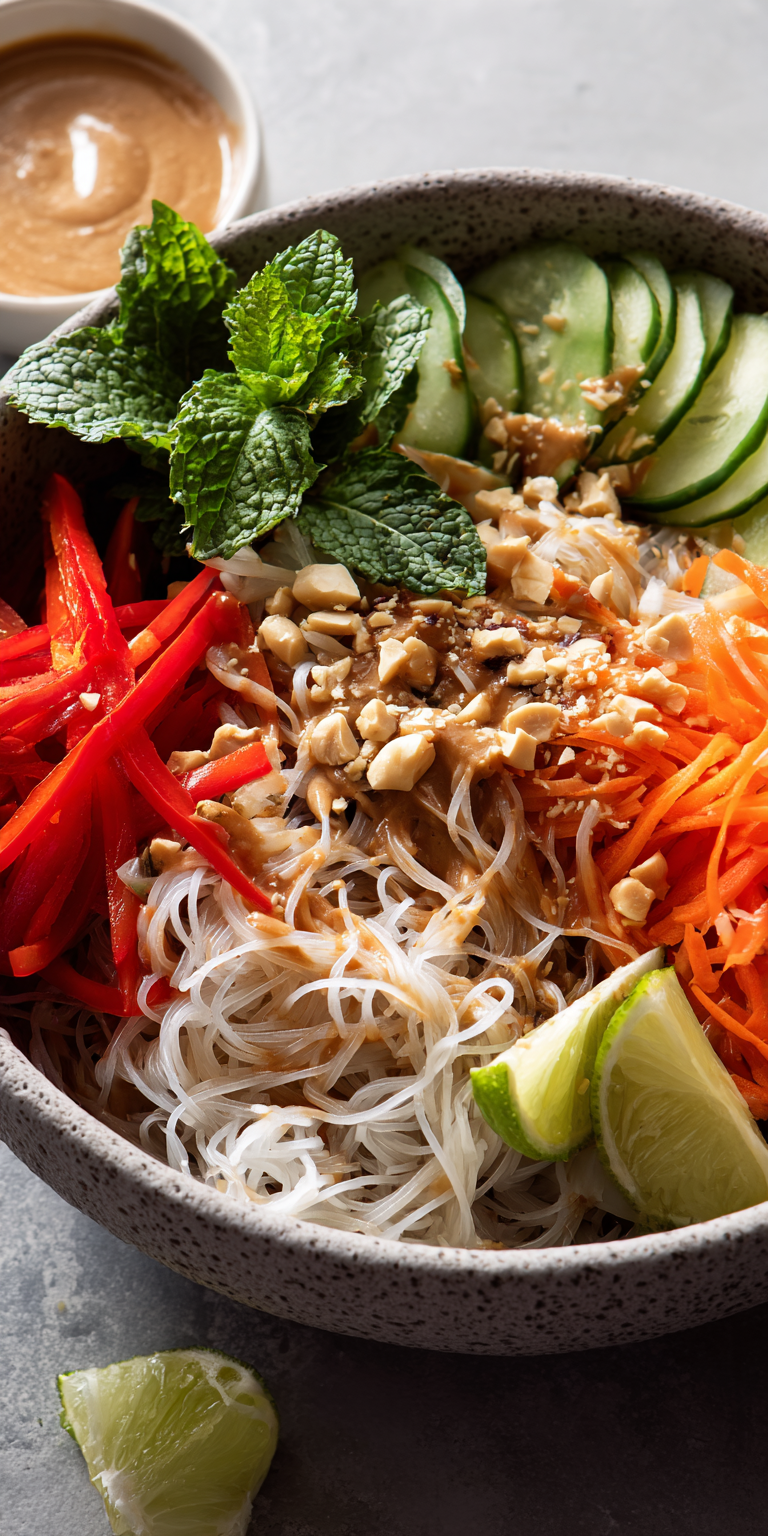
You’ve made a spring roll bowl before. I know you have.
But you’ve never made it like this. The secret isn’t in the peanut sauce or the rice noodles. It’s in one quiet, humble step that transforms the entire dish. It’s the same kind of simple, transformative trick you’ll find in our recipe for Grilled Cheese Roll-Ups, where a basic concept is elevated to something special.
Ready to find out what it is? This is how we build a Vegetarian Spring Roll Bowl with pro-level depth. Let’s get into it.
Recipe Overview
Here’s the quick look at what we’re making today. It’s simpler than you think, but the results are anything but basic.
- Cuisine: Asian-Inspired
- Category: Main Course, Healthy Bowl
- Prep Time: 25 minutes
- Cook Time: 10 minutes
- Total Time: 35 minutes
- Servings: 2 large bowls
The Secret Ingredient That Makes All the Difference
I’m going to tell you right now. It’s toasted rice powder.
Yes, you read that correctly. We’re toasting uncooked jasmine rice until deep golden, then blitzing it into a coarse powder. This isn’t just a garnish.
It’s the flavor anchor. It adds a nutty, toasty, almost savory crunch that mimics the texture of a fried spring roll wrapper. It ties the fresh, raw veggies to the rich peanut sauce in a way nothing else can. This is the insider trick.
Why This Method is Better (My Pro-Tips)
Most recipes just tell you to toss everything in a bowl. We’re building layers.
The magic is in treating each component with intention. We’re not just boiling noodles; we’re shocking them to stop the cooking. We’re not just whisking sauce; we’re building it in a specific order for perfect emulsion. Every step has a purpose for maximum texture and flavor.
Vegetarian Spring Roll Bowls Recipe
The “Upgraded” Ingredient List
The Pro-Method (Step-by-Step)
Notes
Enjoy your homemade Vegetarian Spring Roll Bowls Recipe!
Nutrition Information
The “Upgraded” Ingredient List
Gather these. Quality matters, especially for the sauce components. This list is your blueprint for success.
- 4 oz thin rice noodles (vermicelli)
- 2 tbsp uncooked jasmine rice (for toasting)
- 1 cup shredded red cabbage
- 1 large carrot, julienned or spiralized
- 1 bell pepper (any color), thinly sliced
- 1 small cucumber, julienned
- 1/2 cup fresh cilantro, roughly chopped
- 1/4 cup fresh mint, roughly chopped
- 1/4 cup roasted, salted peanuts, chopped
- 2 scallions, thinly sliced
- 1 lime, cut into wedges
For the Pro Peanut Sauce:
- 1/3 cup creamy, natural peanut butter
- 2 tbsp soy sauce or tamari
- 1 tbsp maple syrup or agave
- 1 tbsp fresh lime juice
- 1 tsp toasted sesame oil
- 1 clove garlic, finely grated
- 1 tsp fresh ginger, finely grated
- 2-3 tbsp warm water, to thin
The Pro-Method (Step-by-Step)
Follow this sequence. It’s designed for efficiency and the best possible outcome.
- Make the Toasted Rice Powder: Add the 2 tbsp of uncooked jasmine rice to a dry skillet over medium-low heat. Toast, shaking the pan often, for 5-7 minutes until deeply golden and fragrant. Let it cool completely, then grind in a spice grinder or mortar and pestle to a coarse powder. Set aside.
- Prep the Noodles: Cook the rice noodles according to package directions. Immediately drain and rinse under very cold water to stop the cooking. This keeps them springy, not mushy. Let them drain well.
- Build the Sauce: In a medium bowl, whisk the peanut butter, soy sauce, maple syrup, lime juice, and sesame oil until smooth. Whisk in the grated garlic and ginger. Then, slowly whisk in the warm water, one tablespoon at a time, until you have a thick but pourable sauce.
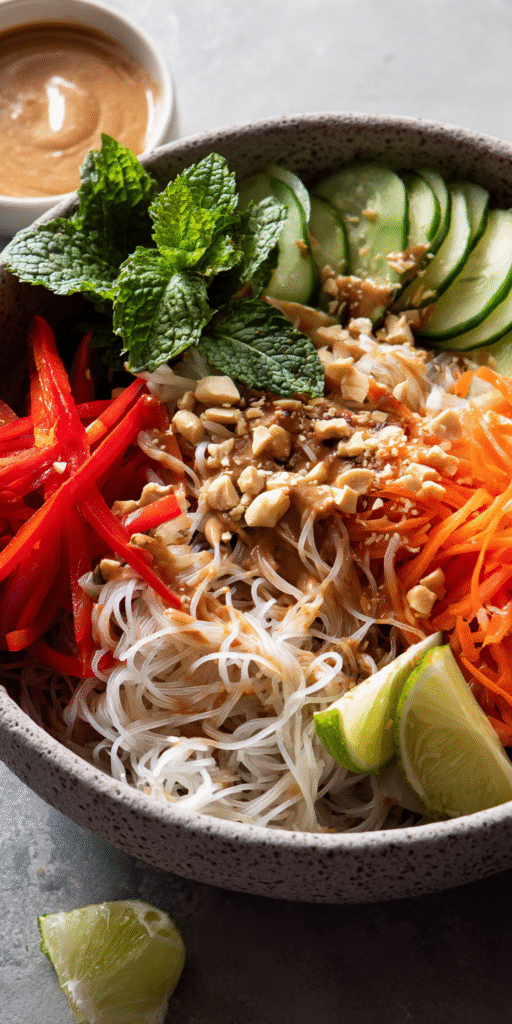
- Assemble with Intention: Divide the cold noodles between two large bowls. Arrange your raw veggies—cabbage, carrot, bell pepper, cucumber—in neat piles or sections over the noodles. This looks beautiful and lets people mix as they eat.
- The Final Touch: Drizzle the peanut sauce generously over each bowl. Now, sprinkle the toasted rice powder, chopped herbs, peanuts, and scallions over the top. Serve immediately with lime wedges on the side.
Common Mistakes & How to Fix Them
Even pros can slip up. Here’s how to avoid the big pitfalls.
Sauce is too thick or gloppy: You didn’t use warm water. Cold water seizes the peanut butter. Always thin your sauce with warm or hot water to get that silky, drizzle-able consistency.
The bowl tastes flat: You forgot the acid. The lime juice in the sauce is non-negotiable, but the wedge on the side is just as important. A big squeeze of fresh lime right before eating brightens everything and makes the flavors pop.
Noodles are a sticky clump: You didn’t rinse them enough with cold water, or you left them sitting while you did other tasks. Rinse until completely cold, toss with a tiny drop of oil if needed, and assemble the bowls right away.
Variations for the Adventurous Cook
Mastered the base recipe? Let’s play. These swaps take it in exciting new directions.
Swap the peanut sauce for a spicy almond butter or sunflower seed butter version. Add a teaspoon of sambal oelek for heat.
Turn it into a warm bowl. Quickly sauté some shredded tofu or tempeh in the skillet after toasting the rice. Add it warm on top of the cool veggies for a temperature contrast. For another savory, roll-up style dish that’s packed with flavor, try our Marry Me Chicken Roll-Ups.
For a different crunch, replace the toasted rice powder with crushed, crispy fried shallots or garlic. You’ll find them at most Asian markets.
Nutrition Notes
This isn’t just tasty; it’s fuel. Here’s a rough breakdown per serving.
- High in plant-based protein from the peanut butter.
- Packed with fiber from all the raw veggies and rice noodles.
- Excellent source of Vitamin A and C from the carrots and bell peppers.
- Healthy fats from peanuts and sesame oil.
Your Pro-Level Questions Answered
These are the questions my cooking friends always ask me.
Can I make components ahead of time?
Absolutely. The toasted rice powder keeps for weeks in a sealed jar. The peanut sauce will thicken in the fridge; just thin it back out with warm water. Prep all your veggies and store them separately. Assemble the bowls fresh for the best texture.
My peanut sauce tastes bland. What went wrong?
You likely need more salt or more acid. Taste it and adjust. Add a pinch more soy sauce for saltiness or a squeeze more lime juice for brightness. The garlic and ginger should be pronounced, not hidden.
What’s the best way to julienne vegetables without a fancy tool?
Use a sharp knife and a steady hand. Cut your carrot and cucumber into thin planks, stack a few planks, and then slice them lengthwise into thin matchsticks. For the bell pepper, slice off the sides and then cut those flat pieces into strips. It’s a knife skill worth practicing.
A Few Final Secrets
You’ve got the blueprint. Now, here are the whispers that make it truly yours.
That toasted rice powder? Sprinkle a little on your next green salad or avocado toast. It’s a game-changer.
When you arrange the veggies, think about color. Place the red cabbage next to the orange carrot and green cucumber. We eat with our eyes first, and a beautiful bowl just tastes better.
Finally, don’t be shy with the herbs. The mint and cilantro aren’t just garnish; they’re essential, fresh components that make this Asian salad bowl sing.
Now that you have the secret, go try it! I want to hear all about it. Did the toasted rice powder change the game for you? What variations did you try? Let me know in the comments below and give this recipe a rating if you loved it! And if you’re looking for a sweet, spiced treat to bake next, our Pumpkin Cinnamon Roll Cupcakes are the perfect project.