
You’ve made Pasta Primavera with Spring Vegetables before. But you’ve never made it like this. The classic version is good, but it can be a bit… flat.
That ends today. I’m sharing the one secret that changes everything. It’s not a fancy vegetable or a rare spice. It’s a simple technique with one ingredient, much like the bright, simple elegance you find in a great lemon ricotta pasta.
Ready to find out what it is? This is how we build flavor that’s bright, deep, and truly tastes of the garden. Let’s get started.
Recipe Overview
Here’s what you’re making. It’s a simple framework for something spectacular.
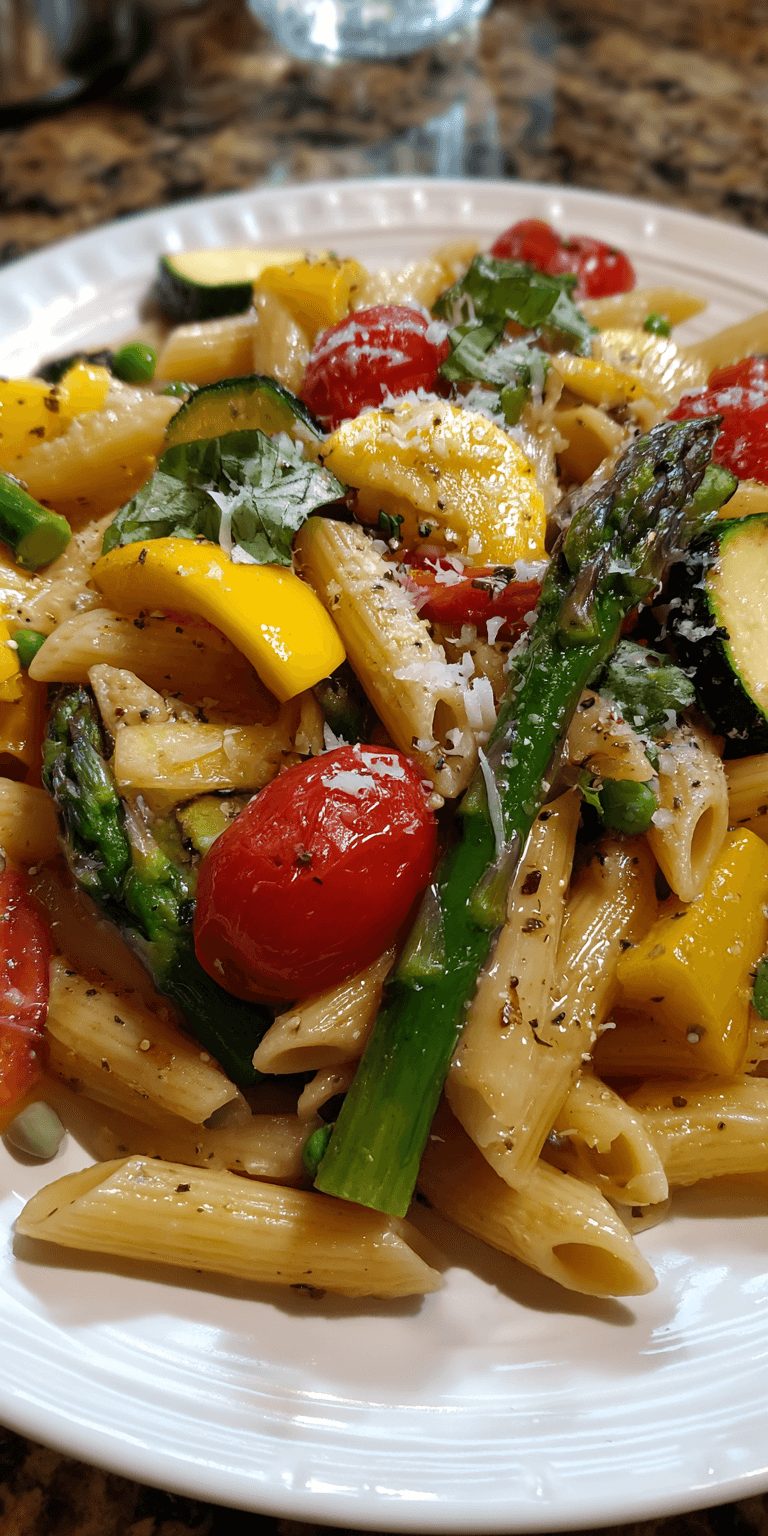
Pasta Primavera with Spring Vegetables Recipe
The “Upgraded” Ingredient List
The Pro-Method (Step-by-Step)
Notes
Enjoy your homemade Pasta Primavera with Spring Vegetables Recipe!
- Cuisine: Italian-Inspired
- Category: Vegetarian Dinner
- Prep Time: 20 minutes
- Cook Time: 20 minutes
- Total Time: 40 minutes
- Servings: 4
The Secret Ingredient That Makes All the Difference
I’ve tested this for years. The secret isn’t in the primavera sauce itself. It’s what you do before you even think about sauce.
It’s tomato paste. Not stirred in at the end, but fried at the beginning. You sauté your aromatics, then add a big spoonful of tomato paste right into the hot pan.
Let it cook for a full minute. You’ll see it darken and stick to the pan. This caramelizes the sugars and removes any tinny taste. It builds a savory, umami-rich base that every other flavor clings to. This is your flavor foundation.
Why This Method is Better (My Pro-Tips)
Most recipes just toss boiled veggies with pasta. We’re not doing that. We’re building layers. Each vegetable gets its moment in the pan.
Start with harder veggies like asparagus and carrots. Add delicate peas and zucchini last. This keeps textures perfect. Also, reserve a cup of your pasta water before draining. The starchy water is magic for making your sauce silky, a tip that works wonders in earthy dishes like this spinach mushroom pasta.
The “Upgraded” Ingredient List
This list is about quality and timing. Every item has a job.
- 12 oz penne pasta (or another short shape)
- 3 tbsp extra virgin olive oil, divided
- 1 small yellow onion, finely chopped
- 3 cloves garlic, minced
- 1 ½ tbsp tomato paste
- 1 medium zucchini, sliced into half-moons
- 1 cup asparagus, cut into 1-inch pieces
- 1 large carrot, julienned or thinly sliced
- 1 cup fresh or frozen peas
- 1 pint cherry tomatoes, halved
- ½ cup dry white wine (or vegetable broth)
- ½ cup heavy cream or full-fat coconut milk for dairy-free
- 1 cup freshly grated Parmesan cheese, plus more for serving
- ½ cup fresh basil, torn
- Salt and freshly cracked black pepper
- 1 lemon, for zesting and juice
The Pro-Method (Step-by-Step)
Follow these steps in order. This sequence is key to the best texture and flavor.
- Bring a large pot of well-salted water to a boil. Cook the penne until al dente. Scoop out and save 1 cup of the pasta water, then drain.
- While the pasta cooks, heat 2 tbsp olive oil in a large skillet or Dutch oven over medium heat. Add the onion and a pinch of salt. Cook until soft, about 5 minutes.
- Add the garlic and cook for 30 seconds until fragrant. Now, push everything to the side. Add the tomato paste to the cleared spot in the pan. Let it fry and darken for 1 minute, then stir it into the onions.
- Increase heat to medium-high. Add the carrot and asparagus. Cook for 3-4 minutes until just starting to soften.
- Add the zucchini and cook for another 2 minutes. Pour in the white wine to deglaze the pan, scraping up all the browned bits (that’s flavor!). Let it simmer for 1 minute.
- Reduce heat to medium. Stir in the heavy cream, peas, and cherry tomatoes. Cook for 2-3 minutes until the tomatoes just begin to wilt.
- Add the drained pasta to the skillet. Toss everything together. Add the Parmesan and a big splash of the reserved pasta water. Toss vigorously until a glossy sauce coats everything. Add more pasta water as needed.
- Remove from heat. Stir in most of the basil. Finish with a big squeeze of lemon juice, a sprinkle of lemon zest, the remaining 1 tbsp of olive oil, and lots of black pepper. Taste and adjust salt.
Common Mistakes & How to Fix Them
Even great cooks can stumble here. Let’s avoid these pitfalls.
Soggy Vegetables: Adding everything at once is the culprit. You steam instead of sauté. Cook in stages by hardness. Keep that heat up to get a little color.
A Watery Sauce: This happens if you don’t use the pasta water or you add the cream to a cold pan. The starch in the water binds with the fat to create an emulsion. Always toss the pasta in the sauce with that hot, starchy water.
Variations for the Adventurous Cook
Mastered the base recipe? Try these pro swaps to make it your own.
Swap the cream for a few tablespoons of ricotta cheese thinned with pasta water. It gives a lighter, tangier finish. For a protein boost, add cannellini beans or crispy chickpeas in with the vegetables.
If you want more punch, finish with a drizzle of chili oil or a sprinkle of toasted breadcrumbs mixed with lemon zest. It adds a fantastic crunch.
Nutrition Notes
This is a hearty, balanced vegetarian dinner. Here’s a rough breakdown per serving.
- Calories: ~580
- Protein: 20g
- Carbohydrates: 75g
- Dietary Fiber: 8g
- Note: For a lighter version, you can reduce the cream and cheese slightly. The flavor from our secret method will still carry the dish.
Your Pro-Level Questions Answered
You’ve got questions. I’ve got the insider answers.
Can I make this pasta primavera ahead of time?
You can prep the vegetables and sauce base ahead. But for the best texture, combine the pasta with the sauce and cheese just before serving. The pasta keeps absorbing liquid and can get mushy.
What’s the best pasta shape for primavera?
I love penne or rigatoni. Their ridges and tubes catch the creamy sauce and small pieces of vegetable. Farfalle or fusilli also work very well for the same reason. For more ideas on perfect pairings, see our deep dive on penne pasta and its versatility.
My sauce broke and looks greasy. What now?
Don’t panic. Remove the pan from heat. Add another splash of your reserved pasta water and whisk vigorously. The cool water can help re-emulsify the sauce. If that fails, a tiny bit of cold butter whisked in can also help bring it back together.
A Few Final Secrets
This dish is a celebration of the season. It’s about confidence in your pan. That fried tomato paste trick? Use it in soups, stews, and other pasta sauces. It’s a game-changer.
Remember, the goal is a vibrant, garden-fresh dish where every bite has a story. You started with a foundation, built layers, and finished with brightness. That’s how you cook like a pro.
Now that you have the secret, I want to hear from you. Make this primavera, taste the difference, and tell me all about it. Did the tomato paste trick work for you? What’s your favorite vegetable combo? Leave a comment below and let’s talk food!