
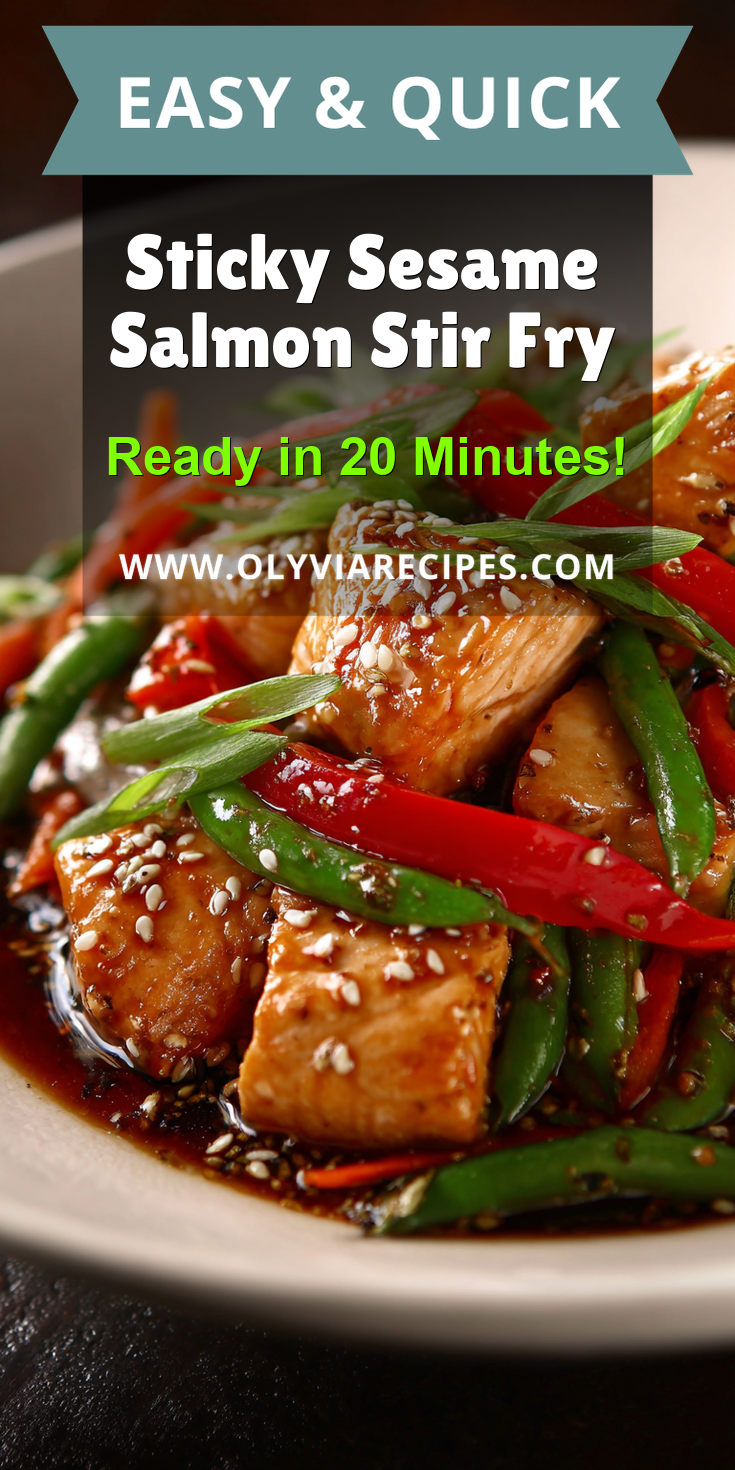
Want a dinner that tastes like a fancy restaurant but costs less than your average takeout order? I’m right there with you. This Sticky Sesame Salmon Stir Fry is my go-to when I need a meal that feels special without the splurge. If you love quick, flavorful dinners, you should also try this easy keto stir fry for another healthy option.
You don’t need expensive ingredients to eat well. This recipe proves it. It turns affordable salmon, simple veggies, and a homemade sauce into something truly magical. It’s all about smart choices and a few key tricks.
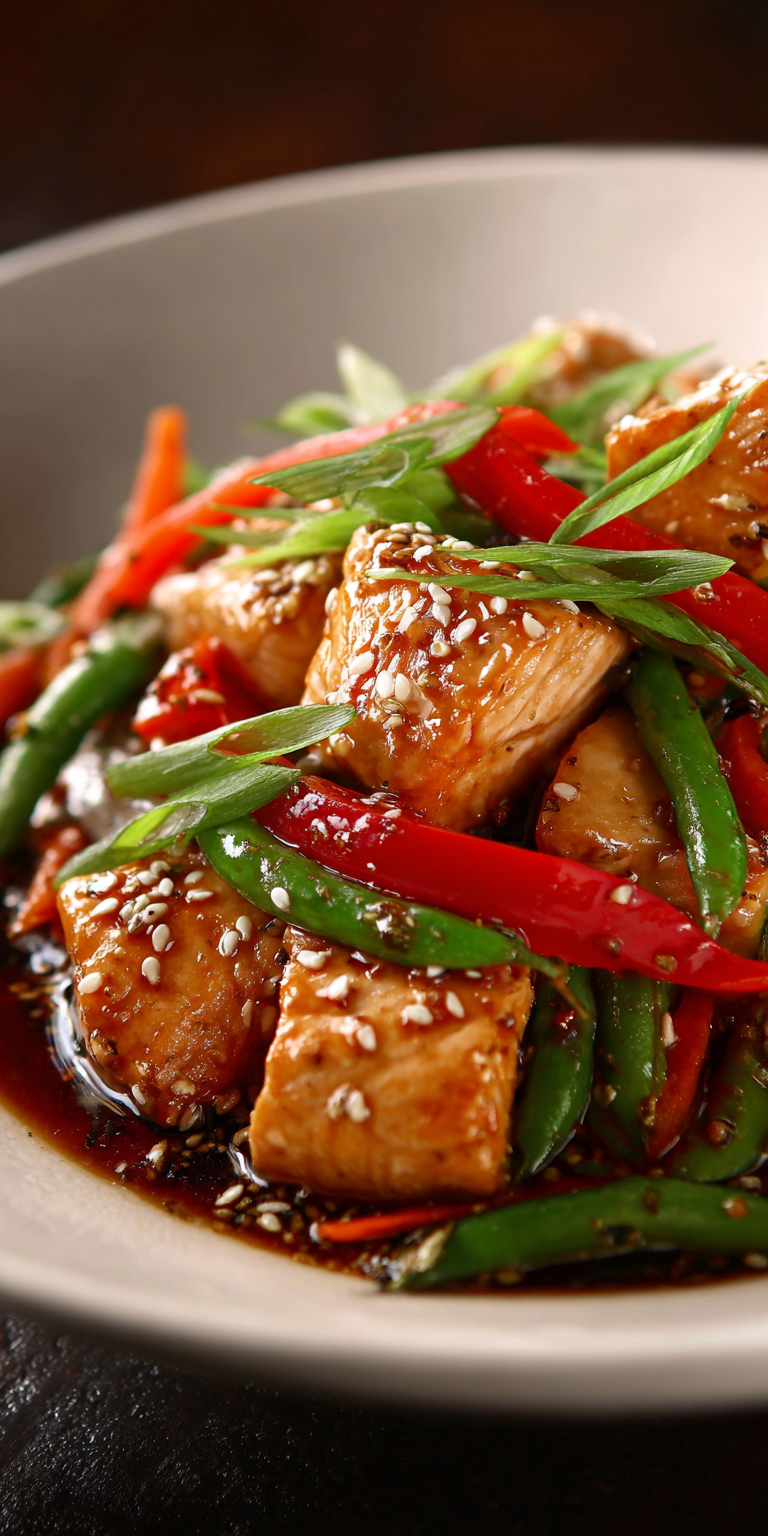
We’re talking about a complete meal in one pan. It comes together in about 30 minutes. Best of all, it uses ingredients you can stretch across multiple meals throughout the week.
Recipe Overview
Here’s the quick snapshot of what you’re making. It’s designed for speed and simplicity, perfect for a busy weeknight.
- Cuisine: Asian-Inspired
- Category: Main Course
- Prep Time: 15 minutes
- Cook Time: 12 minutes
- Total Time: 27 minutes
- Servings: 4
Why This Recipe Saves You Money
Let’s talk numbers. The real savings here come from a few smart swaps and doing it yourself.
Sticky Sesame Salmon Stir Fry Recipe
The Budget-Friendly Ingredient List
How to Make It (Step-by-Step)
Notes
Enjoy your homemade Sticky Sesame Salmon Stir Fry Recipe!
First, we make our own stir fry sauce. Bottled versions are marked up and often packed with sugar. Our homemade version uses pantry staples you likely own. It costs pennies per serving.
Second, I use salmon portions that are on sale. Look for “skin-on” or “ends” at the fish counter. They are just as tasty and often cheaper. Frozen salmon is also a fantastic budget option.
Finally, the veggies are flexible. I use snap peas and carrots here, but you can swap in any affordable, in-season vegetable. This prevents waste and lets you shop the sales.
My Tips for Smart Shopping on a Budget
I’ve learned a few things after years of cooking on a tight budget. These tips make a huge difference in your grocery bill.
Buy your salmon frozen. Frozen fish is often flash-frozen at peak freshness. It’s cheaper and prevents you from having to use it the same day. Just thaw it in the fridge overnight.
Purchase sesame oil in a small bottle. A little goes a very long way for flavor. It’s a strong ingredient, so you won’t use it up quickly. Store it in a cool, dark place.
Choose generic brands for staples like soy sauce, honey, and rice vinegar. The flavor difference is minimal, but the price difference can be significant.
For vegetables, hit the farmers market late in the day. You can often get great deals on produce that vendors want to sell. Or, buy pre-cut “stir-fry” mixes only if they’re on sale.
The Budget-Friendly Ingredient List
Here’s everything you need. Check your pantry first—you might already have half of this list.
- 1.25 lbs salmon fillet (skin-on or skinless), cut into 1-inch cubes
- 2 tablespoons cornstarch
- 2 tablespoons neutral oil (like avocado or canola)
- 8 oz snap peas, ends trimmed
- 2 medium carrots, julienned or thinly sliced
- 3 cloves garlic, minced
- 1 tablespoon fresh ginger, grated
- 4 green onions, sliced (whites and greens separated)
- Cooked rice or noodles, for serving
- For the Sauce:
- 1/3 cup low-sodium soy sauce
- 3 tablespoons honey (or brown sugar)
- 2 tablespoons rice vinegar
- 1 tablespoon sesame oil
- 1 teaspoon sriracha or chili garlic sauce (optional)
- 1 tablespoon water
How to Make It (Step-by-Step)
Don’t be intimidated by the steps. This is a simple process that moves quickly once you start. Have all your ingredients prepped and ready to go before you turn on the heat.
- Prep the salmon. Pat the salmon cubes very dry with paper towels. Toss them in a bowl with the cornstarch until evenly coated. This creates a light crust and helps the sauce stick beautifully.
- Make the sauce. In a small bowl or measuring cup, whisk together all the sauce ingredients: soy sauce, honey, rice vinegar, sesame oil, sriracha (if using), and water. Set this aside.
- Cook the salmon. Heat 1 tablespoon of neutral oil in a large wok or non-stick skillet over medium-high heat. Add the salmon in a single layer. Let it cook undisturbed for 2 minutes to get a sear. Gently flip and cook for another 1-2 minutes until just cooked through. Remove to a clean plate.
- Stir fry the veggies. Add the remaining 1 tablespoon of oil to the pan. Add the snap peas, carrots, and the white parts of the green onions. Stir fry for 3-4 minutes until crisp-tender.
- Add the aromatics. Push the veggies to the side. Add the garlic and ginger to the center of the pan. Cook for just 30 seconds until fragrant—be careful not to burn them.
- Bring it all together. Give your sauce a quick re-whisk and pour it into the pan with the veggies. Let it bubble and simmer for 1-2 minutes until it thickens slightly. Add the cooked salmon back in and gently toss to coat everything in the sticky sauce.
- Serve. Immediately spoon the stir fry over cooked rice or noodles. Garnish with the green onion tops and a sprinkle of sesame seeds if you have them. For a fun twist on a classic side, try serving it with some charcoal sesame artisan sourdough.
How to Use Up Every Last Bit (No Waste!)
Getting every penny’s worth from your groceries is a key budget skill. Here’s how to make sure nothing from this recipe goes to waste.
If you have extra sauce, store it in a jar in the fridge for up to a week. It’s amazing as a marinade for chicken, a drizzle for roasted broccoli, or a dip for spring rolls.
Leftover salmon stir fry keeps well for 2 days in the fridge. It’s great cold for lunch or gently reheated. The flavors often get even better.
Use the green onion roots! Place them in a glass with an inch of water on a sunny windowsill. They will regrow multiple times, giving you free garnishes for weeks.
If your snap peas are looking sad, blanch them and add to a freezer bag. They’ll be perfect for your next soup or stir fry.
Nutrition Notes
This isn’t just budget-friendly; it’s also packed with good stuff. Here’s a rough breakdown per serving (with 1 cup of cooked rice).
- Calories: ~480
- Protein: 30g (Salmon is a fantastic source!)
- Healthy Fats: 18g (Thanks to the salmon and sesame oil)
- Carbohydrates: 50g
- Fiber: 3g
The dish is high in omega-3 fatty acids from the salmon. Using low-sodium soy sauce helps control the salt content. You can always add more veggies to boost the fiber.
Common Questions About This Recipe
I get a few questions every time I share this recipe. Here are the answers to make your cooking experience smooth.
Can I use a different protein?
Absolutely! This sauce is incredibly versatile. Thinly sliced chicken breast, thigh meat, or even firm tofu work wonderfully. Just adjust the cooking time for your chosen protein. For another fantastic seafood option with a similar sweet and savory glaze, check out this 20-minute sticky teriyaki shrimp scampi.
For tofu, press it well and coat it in cornstarch just like the salmon. It will get wonderfully crispy.
I don’t have a wok. What can I use?
No problem at all. A large, heavy-bottomed skillet or cast-iron pan is a perfect substitute. The key is having a pan with enough surface area so the food isn’t crowded.
Crowding steams the food instead of searing it. If your pan is small, cook in batches. It makes a big difference in texture.
How do I turn this into a noodle bowl?
It’s super easy! Simply cook your noodles (ramen, soba, or rice noodles) according to package directions. Drain them.
You can toss the noodles right into the pan with the finished stir fry. Or, divide the noodles among bowls and top with the salmon and veggie mixture. Add a little extra sauce if you like.
This Sticky Sesame Salmon Stir Fry is more than a recipe. It’s a blueprint for eating incredibly well without spending a lot. It teaches you to make a knockout sauce, cook protein perfectly, and use vegetables wisely.
Once you master this method, you can adapt it endlessly with what you have on hand. That’s the true secret to budget cooking. It’s about confidence and flexibility, not fancy ingredients.
I’d love to hear how it turns out for you. Let me know your own money-saving twists on this recipe in the comments below! Please leave a rating!