
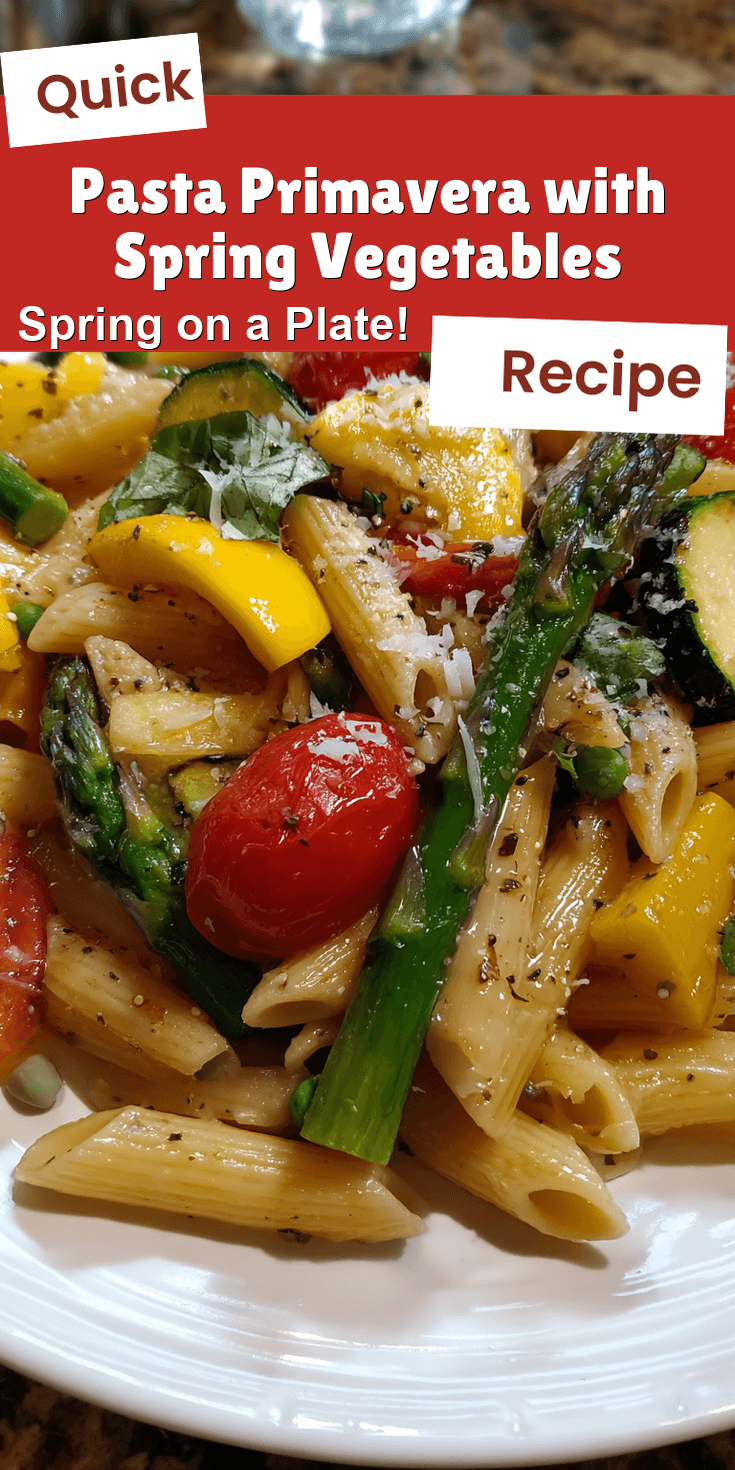
You’ve made Pasta Primavera with Spring Vegetables before. But you’ve never made it like this. I can almost guarantee it.
The classic version is good. A tumble of mixed vegetables with penne pasta in a light sauce. It’s a reliable vegetarian dinner. But today, I’m giving you the key to the garden fresh, restaurant-quality version you actually crave. If you’re looking for another fantastic pasta dish that’s ready in minutes, you must try this bright and creamy Lemon Ricotta Pasta.
Ready for the one move that changes everything? Let’s go.
Recipe Overview
Here’s what you’re in for. This is your roadmap to a better bowl.
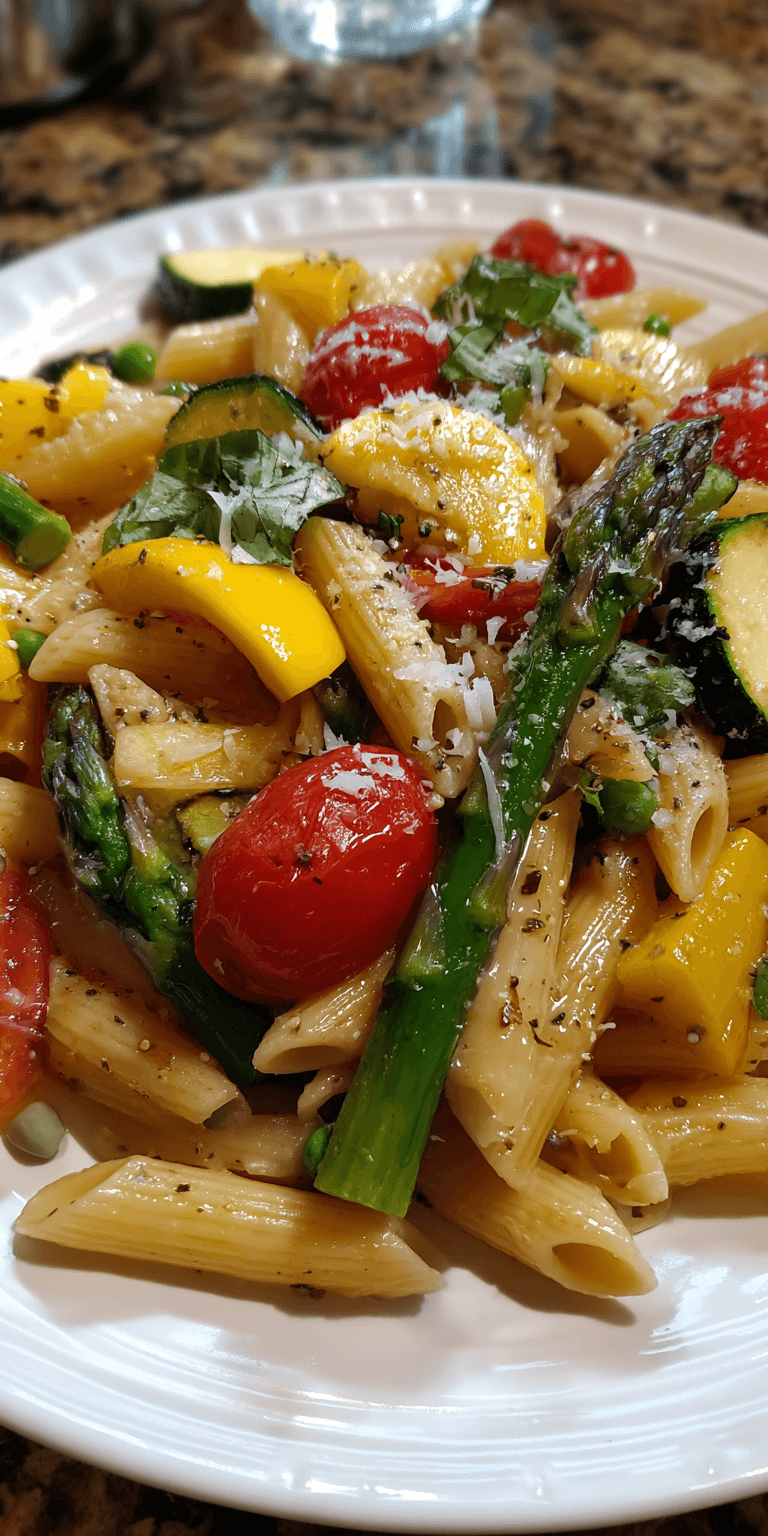
Pasta Primavera with Spring Vegetables Recipe
The “Upgraded” Ingredient List
The Pro-Method (Step-by-Step)
Notes
Enjoy your homemade Pasta Primavera with Spring Vegetables Recipe!
- Cuisine: Italian-Inspired
- Category: Main Course
- Prep Time: 15 minutes
- Cook Time: 20 minutes
- Total Time: 35 minutes
- Servings: 4
The Secret Ingredient That Makes All the Difference
I’ve tested this for years. The secret isn’t a rare spice. It’s in the pan.
It’s white wine vinegar. Just a splash, right at the end. Most recipes rely on lemon juice for acidity. Lemon is fine. But vinegar has a sharper, more complex bite that cuts through the richness of olive oil and cheese.
It brightens every single vegetable without making the primavera sauce taste sour. It’s the high note that makes the whole dish sing. You’ll see.
Why This Method is Better (My Pro-Tips)
My method skips the common pitfalls. We’re not boiling our veggies into submission.
You cook each vegetable type separately in the same skillet. This is non-negotiable. Asparagus needs more time than peas. We respect that. This way, everything is perfectly crisp-tender, not mushy.
Finally, we build the sauce in that same flavorful pan. Every bit of browned, tasty fond becomes part of the meal. This is how you build deep flavor, fast.
The “Upgraded” Ingredient List
Quality matters here. This isn’t just a list; it’s your shopping strategy.
- 12 oz penne pasta (or another short, sturdy shape)
- 3 tbsp extra virgin olive oil, divided
- 1 small yellow onion, thinly sliced
- 3 cloves garlic, minced
- 1 bunch asparagus, woody ends snapped off, cut into 1-inch pieces
- 1 medium zucchini, halved lengthwise and sliced
- 1 cup sugar snap peas or snow peas, strings removed
- 1 cup cherry tomatoes, halved
- 1/2 cup frozen peas, no need to thaw
- 1/3 cup dry white wine
- 1 cup vegetable broth
- 1/2 cup heavy cream or full-fat coconut milk for a dairy-free option
- 1 tbsp white wine vinegar
- 1 cup freshly grated Parmesan cheese, plus more for serving
- 1/2 cup fresh basil, thinly sliced
- Salt and freshly ground black pepper
The Pro-Method (Step-by-Step)
Follow these steps in order. Trust the process.
- Bring a large pot of salted water to a boil. Cook the penne until al dente. Reserve 1 cup of the starchy pasta water before draining.
- While the pasta cooks, heat 1 tbsp olive oil in a large skillet over medium-high heat. Add the onion and a pinch of salt. Cook for 3 minutes until softening.
- Add the garlic and cook for just 30 seconds until fragrant. Scrape this mixture into a bowl and set aside.
- Add another tbsp of oil to the skillet. Add the asparagus and zucchini. Cook for 4-5 minutes, just until they get some color and soften slightly. Season with salt and pepper. Remove to the bowl with the onions.
- Add the final tbsp of oil to the skillet. Toss in the snap peas and cherry tomatoes. Cook for 2-3 minutes until the tomatoes just begin to wilt.
- Pour in the white wine to deglaze the pan. Scrape up all those browned bits. Let it bubble and reduce by half.
- Pour in the vegetable broth and cream. Let it simmer for 3-4 minutes to thicken slightly.
- Reduce heat to low. Stir in the white wine vinegar and frozen peas. Add back all the cooked vegetables and the drained pasta.
- Toss everything together, adding splashes of the reserved pasta water until the sauce coats everything beautifully. It should be glossy.
- Remove from heat. Stir in the grated Parmesan and most of the basil. Taste and adjust seasoning. The sauce will tighten up as it sits.
Common Mistakes & How to Fix Them
Even great cooks trip up here. Let’s avoid that.
Mistake 1: Overcrowding the pan. If you dump all the veggies in at once, they’ll steam and get soggy. My fix is simple: cook in batches. It gives you control and perfect texture.
Mistake 2: Skipping the pasta water. That starchy liquid is magic. It helps the primavera sauce cling to the penne. If your sauce looks thin or separates, a splash of pasta water brings it right back together.
Mistake 3: Adding the cheese over high heat. This can make the sauce grainy. Always take the skillet off the heat before stirring in the Parmesan. Let the residual warmth melt it smoothly.
Variations for the Adventurous Cook
Mastered the base recipe? Let’s play. These are my favorite pro-swaps.
Swap the cream for a few tablespoons of ricotta cheese. Whisk it into the broth for a lighter, tangier sauce. It’s incredible.
Add a protein. Sautéed shrimp or scallops seared in the pan before the veggies start is a natural fit. For a plant-based boost, crispy chickpeas added at the end are perfect. For another earthy, savory pasta option, this Spinach Mushroom Pasta is a weeknight favorite.
Change up the acid. Instead of white wine vinegar, try a teaspoon of good balsamic glaze drizzled over the finished plates. It adds a sweet, dark contrast.
Nutrition Notes
This is a hearty, balanced meal. Here’s a simple breakdown per serving.
- Calories: ~580
- Protein: 22g
- Carbohydrates: 75g
- Dietary Fiber: 8g
- Note: For a lighter version, use half the cream and boost the veggie broth. The flavor will still be fantastic.
Your Pro-Level Questions Answered
You might be wondering about these finer points. I’ve got you covered.
Can I make this pasta primavera ahead of time?
You can prep the vegetables ahead. But for the best texture, cook and assemble just before serving. The veggies will lose their vibrant bite if they sit in the sauce too long.
What’s the best Parmesan to use?
Always buy a block and grate it yourself. Pre-grated cheese has anti-caking agents that keep it from melting smoothly. The flavor of real Parmigiano-Reggiano is also far superior.
My sauce is too thin. What now?
Let it simmer for another minute or two off the heat. The pasta will continue to absorb liquid. You can also add a little more grated cheese to help thicken it.
A Few Final Secrets
Before you run to the kitchen, remember this. Cooking is about confidence.
Treat your vegetables with care. Taste your sauce at every stage. And that splash of vinegar? Don’t you dare forget it. It’s the signature move that makes this dish yours.
This is more than a recipe. It’s a method for turning simple, garden fresh ingredients into something spectacular. It proves a vegetarian dinner can be the most exciting thing on the table.
Now, I need to know. Go make this pasta primavera my way. Then, come back and tell me in the comments. Did that one secret ingredient change the game for you? Share your results and rate the recipe below!